All Categories
Featured

Revolutionising British Management in a Global Economy
Table of Contents
The Interlocal Acquiring System (TIPS U.S.A.) has identified Business Fleet Management as a trusted lorry options service provider. Ideas removes the tension of evaulating and comparing entities and offers government entities with a cooperative list of options across a range of service disciplines. With thousands of city government contracts, Business Fleet Management has the "know-how" to get county, federal government and municipality approval.
In service, an is any entity that can perform transactions by itself behalf within itself and with others. It is frequently a large company that comprises a business, made up of several levels of management interacting to achieve a typical objective. Any company can be a business, such as corporations, non-profit organizations, and others.
According to the Company for Economic Cooperation and Advancement (OECD), an international online forum of different federal governments with market-based economies, an enterprise with more than 250 workers would be called a Large Enterprise. On the other hand, business with less than 250 employees will then be sorted into the Small and Medium-sized Enterprises (SMEs) classification.
While basic management concentrates on specific practical locations, business management takes a more holistic and tactical perspective, overseeing the whole organization and its long-lasting success. Here are some ways in which they differ: In a service, basic management usually refers to supervising a particular department or function within a company, such as financing, marketing, or operations.
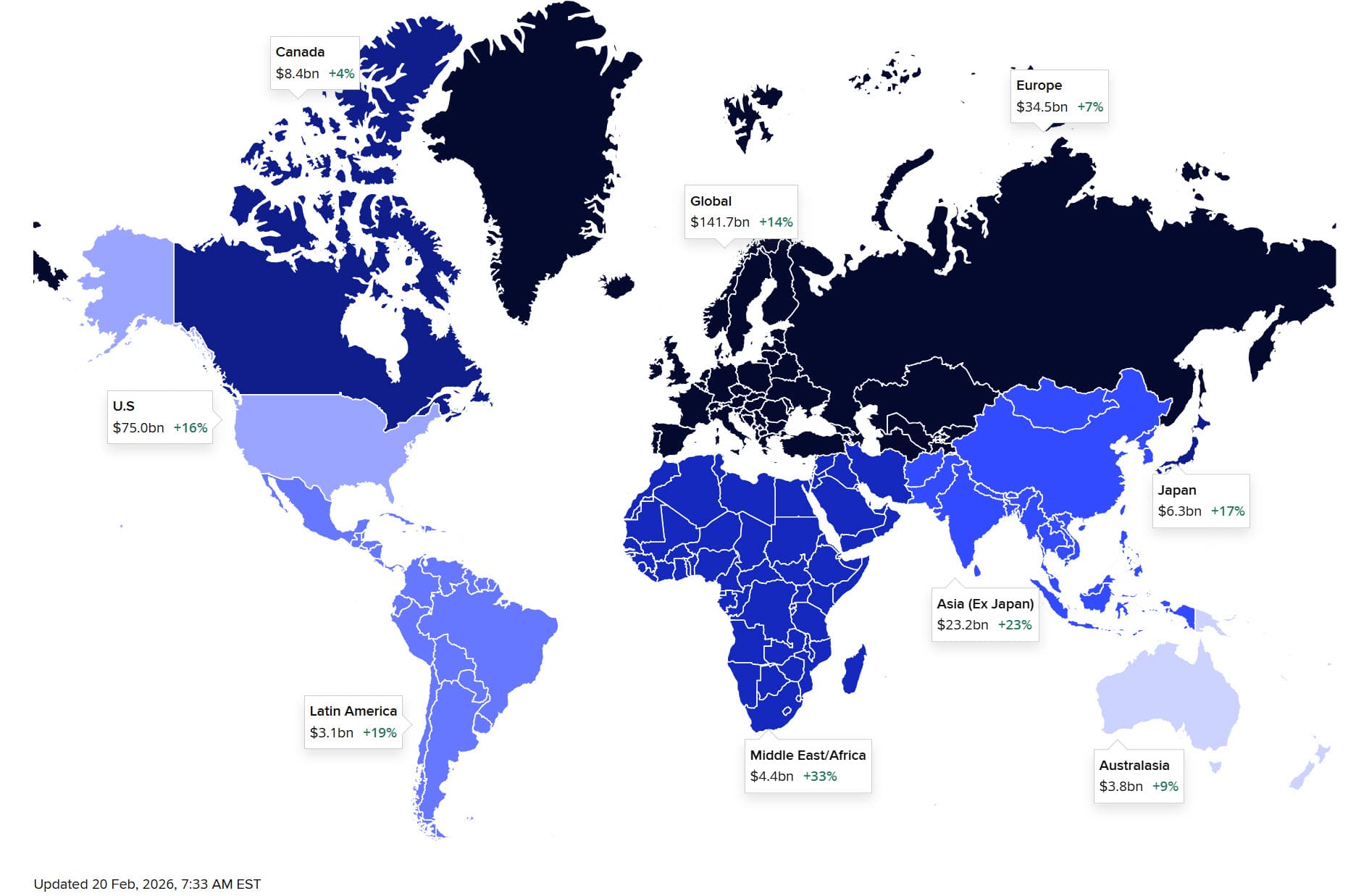
Capital Investment Trends for UK Global Scale
General management tasks and responsibilities tend to have a more operational and tactical focus. It deals with instant issues and within a specific domain. Enterprise management, on the other hand, has a tactical focus, specifically on setting long-term goals, developing organizational techniques, and making choices that affect the whole enterprise.
They make choices and execute methods to achieve the objectives of their department. In contrast, enterprise managers have more comprehensive decision-making authority that cuts across different departments and functions. They make choices that impact the entire company, such as resource allotment, investment choices, and organizational structure. Enterprise management handle higher levels of and complexity compared to basic management.
Business management describes all tasks, tools, methods, and processes needed to guarantee your enterprise is operating as planned. It covers various areas such as the following: Data managementEmployee health and safetyFinancesSince it covers different elements of a business' operations, business management can likewise be used in more than one method.
Navigating the British Corporate Management Market in 2026Scaling British Growth in the Global Market
For business, some ways it is applied include the following: Examining present strategies in place for smooth operations regularlyAnalyzing and dealing with in and to the enterpriseCreating and managing a dedicated system within the basic enterprise management prepare for: AssetsFleetsFinancesDocumentsContent creationDesignating specific people and groups for managing clients, product and service advancement, personnels, and interaction channels with stakeholders or other enterprisesEstablishing deadlines, plans, and budgets for every function of the enterprise Scale Data Security Combination Teams 5 Components of Business Management SafetyCultureEvery enterprise has its own enterprise architecture structure or strategy that works for them and their industry.
Business management consists of the list below components of enterprise architecture: Organizational Architecture: Handling an enterprise by concentrating on its operations from staff member positions, jobs, and company goalsBusiness Architecture: Managing an enterprise through its techniques, business objectives, and other proceedingsInformation Architecture: Handling a business's information and the circulation and use of information within itApplication Architecture: Managing how programs should be created, executed, and preserved within the enterpriseTechnological Architecture: Handling the business's IT facilities, hardware, software application, and other technological equipment so that objectives are attained betterIn some cases, enterprise management strategies and systems will only focus on one enterprise architecture type, depending on their needs.
Reliable enterprise management is the foundation of success in today's dynamic organization landscape. As companies browse through the intricacies of the international market, the significance of strategic and effective management can not be overemphasized. In addition to appropriate enterprise architecture, there are other things to consider in regard to enterprise management.
Scaling the British Workforce in 2026Scaling UK Market Expansion With Sustainable Finance
This having capable leaders, an effective system of entrusting responsibilities, and a clever and reliable marketing prepare for business. Staff member fulfillment and performance will affect the business as an entire, so their requirements, safety, and well-being should likewise be thought about. There should be a favorable environment for them to work and interact in, along with the ideal chances to be empowered.
is an essential aspect to think about when handling an enterprise. This includes having a mutual understanding of their lives and issues, as well as promoting and keeping a friendly relationship with them. You can do this with regular check-ups with your clients and market studies, then collating all data and plans in a place that is quickly accessible for conducting planning conferences.

Latest Posts

Optimizing Workforce Acquisition for UK Business Landscape

Strategic Workforce Optimisation for Modern British Firms

Future UK Industry Trends in 2026